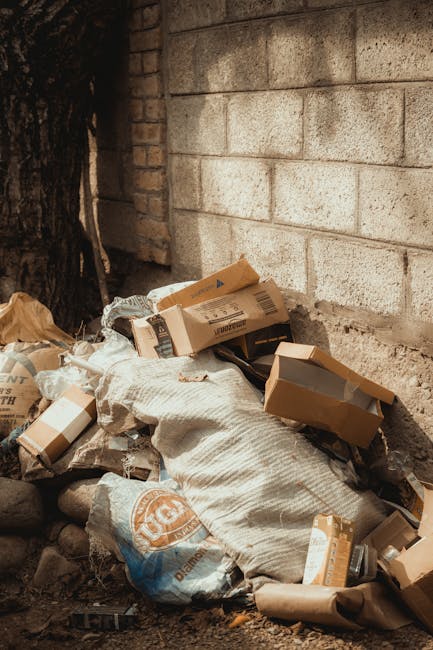
Same day rubbish removal in Yeading: how to avoid common delays
If you need rubbish gone fast, same day rubbish removal in Yeading can be a lifesaver. Maybe you've got builders' debris blocking the drive, a flat full of bags after a last-minute clear-out, or a garden pile that needs shifting before guests arrive. Whatever the reason, speed only works when the job is set up properly. The good news? Most delays are predictable, and most can be avoided with a bit of prep.
This guide walks through how same day collections usually work, where things go wrong, and what you can do to keep everything moving. It also covers the practical bits people often miss: access, loading time, payment readiness, and the kind of waste that can slow a job down if it's not declared early. Truth be told, the fastest rubbish removal jobs are rarely the fanciest ones - they're the best organised.
Why Same day rubbish removal in Yeading avoid common delays Matters
Same day rubbish removal is not just about convenience. In a busy part of west London like Yeading, a collection that runs late can affect parking, neighbours, tradespeople, landlords, tenants, and even your plans for the rest of the week. One small delay can snowball. A skipped call, a locked gate, or a pile of waste that wasn't mentioned at the quote stage can add hours, sometimes more than you'd expect.
When people search for same day rubbish removal in Yeading, they usually want one thing: certainty. They want to know the waste will be cleared today, not "maybe this afternoon if the traffic behaves." Fair enough. But same day service depends on good coordination. The clearer the job details, the easier it is to send the right team, vehicle, and time slot.
It also matters because certain kinds of waste are awkward to handle if they're discovered at the last minute. Mixed loads, heavy furniture, builders' rubble, awkward loft items, or damp garden waste all affect loading time. If you've ever watched a van crew trying to manoeuvre a mattress through a narrow hallway, you'll know why prep matters.
For many households and businesses, same day collection is the difference between a smooth reset and another day of clutter. And clutter is tiring. It crowds the hallway, makes cleaning harder, and has a way of hanging over you like an unfinished task you can't quite switch off.
How Same day rubbish removal in Yeading avoid common delays Works
The basic process is straightforward, but the speed comes from the details. A same day rubbish removal service usually starts with an enquiry, followed by a short description of the waste, access, and timing. If everything matches what the team can handle, a collection window is arranged and the rubbish is removed on the same day.
In practice, the quickest jobs tend to follow a simple pattern:
- You describe the waste clearly, including approximate volume and type.
- You mention access details such as stairs, parking, gates, or tight entrances.
- The team confirms whether the load can be taken that day.
- You agree on the collection window and any likely restrictions.
- The crew arrives, assesses the waste on site, and loads it safely.
- If the job matches the original description, the collection goes ahead without fuss.
Where people get caught out is usually at step one and step two. A "few bits of rubbish" can become a full van load. A simple sofa collection can reveal extra chairs, broken shelving, and bagged waste. That does not mean the job can't still be done, but it can change the timing. A crew can only plan so much if the load is not described accurately.
Another point that sounds obvious but gets missed all the time: access. A van might be available, but if parking is tight or the waste is upstairs, the time needed changes. Yeading has its fair share of awkward corners, resident-only parking spots, and places where loading takes longer than you'd guess from the pavement. A small detail, yes. A delay trigger, absolutely.
If you want a broader look at how waste jobs are handled across different settings, the main waste removal service pages on the site can help you understand the range of collection types that may be available.
Key Benefits and Practical Advantages
Same day rubbish removal is popular because it solves a very immediate problem. But the real value is broader than speed alone.
- Fast space recovery: you get rooms, driveways, gardens, or work areas back the same day.
- Less disruption: ideal if you're between moving dates, trades, or family schedules.
- Cleaner handovers: useful for landlords, agents, or anyone preparing a property.
- Reduced stress: rubbish has a way of nagging at you; removing it quickly helps.
- Better project flow: builders, decorators, and organisers can keep moving.
There's also a practical safety angle. Piles of waste can cause trips, block exits, attract damp, or get in the way when you're carrying other items. In homes, garages, lofts, and offices, delays in clearing waste can also make it harder to keep the place tidy while other work continues.
For example, if you're dealing with old furniture, you might pair the collection with furniture disposal or arrange a more general furniture clearance if there are several bulky items. That kind of planning keeps the collection focused, which tends to make same day work smoother. Simple, but effective.
Same day service can also be cost-efficient in a broad sense because it may reduce the knock-on cost of lost time. That said, the cheapest option is not always the quickest one, and the quickest one is not always the best fit. A balanced approach usually wins.
Who This Is For and When It Makes Sense
This type of collection is a good fit for people who need waste gone now rather than later. Not every load needs a rushed response, but plenty do.
It makes sense if you are:
- moving out and need a property emptied quickly
- preparing a flat or house for new tenants
- clearing out an office before a handover
- dealing with garden waste after a big tidy-up
- removing builders' waste after a small renovation
- trying to clear space in a garage, loft, or spare room
- sorting out a business area that must stay presentable for customers
If that sounds familiar, you may also find the site's dedicated pages useful, such as house clearance for larger domestic jobs or office clearance for commercial spaces.
A same day collection is especially sensible when clutter is causing a practical problem rather than just being annoying. If it's blocking access, slowing a move, or making a work area unsafe, waiting usually makes the mess feel bigger, not smaller.
On the other hand, if you have a highly mixed load with items that may need sorting, or you're not sure what's being removed yet, a same day slot can still work - but only if you explain that uncertainty in advance. That honesty saves everyone time. And to be fair, it saves you a headache too.
Step-by-Step Guidance
If you want a smooth collection, the planning does not need to be complicated. A few careful steps are enough.
- List what needs to go. Be specific. "Three black bags, one wardrobe, two broken shelves, and some garden offcuts" is better than "rubbish."
- Estimate the volume. Think in bags, bulky items, or whether it's roughly a quarter, half, or full load. You do not need to be perfect.
- Check access. Note stairs, narrow gates, parking restrictions, or whether anything is behind the property.
- Separate anything that may need special handling. Some items should not be mixed with ordinary household waste.
- Prepare the waste in one place if possible. Staging items near the exit can speed up loading significantly.
- Be ready to answer follow-up questions. A quick photo or two can help avoid confusion.
- Keep payment and approval simple. If there's a delay because someone's chasing bank details or trying to find the account login, the clock keeps ticking.
That final point is the boring one, but it matters. A crew can only get moving once the essentials are cleared. No one enjoys the awkward pause where everyone is ready except the person searching for the invoice email from four hours ago.
If the collection is part of a wider clear-out, it can help to think in zones. Loft first, then landing, then bedrooms. Or garage first, then driveway, then garden. Organising the waste in the same order it will be loaded saves a surprising amount of time.
For loft-heavy or attic jobs, the loft clearance page is a useful reference point. For mixed household jobs, home clearance can be a better fit. Different jobs, different pace. That's just how it goes.
Expert Tips for Better Results
These are the little habits that make same day collection feel easy instead of rushed.
- Send photos early. Photos cut down on guesswork and often prevent back-and-forth.
- Group the waste by type. Bulky items together, bagged waste together, sharp or awkward items clearly identified.
- Tell the team about access quirks. A low wall, a long walk from the van, or shared entryways can all affect timing.
- Be realistic about volume. Most delays happen because the load was described too lightly.
- Keep the route clear. Shoes, bins, prams, recycling boxes - all those small obstacles matter.
One thing experienced customers do well is prepare the space before the team arrives, not while they're waiting in the van. It sounds obvious, but the difference is real. A clear hallway, an open gate, and waste placed together can shave minutes off the job. In a same day schedule, minutes matter.
If the waste is from a shop, studio, or small business, it may be worth comparing your needs with business waste removal. That's especially helpful if you generate regular waste and want a process that feels more organised than ad hoc.
For larger or heavier items, be upfront about lifting challenges. Nobody benefits from surprises at the doorstep, least of all your back. Let's face it, nobody wakes up hoping for a wardrobe wrestling match before lunch.
Common Mistakes to Avoid
The delays people experience are usually avoidable. Here are the big ones.
- Underestimating the amount of rubbish. A "small pile" can turn into a long loading job.
- Forgetting access details. Tight stairs, locked gates, and awkward parking can slow things down fast.
- Mixing different waste types without warning. Mixed loads can need different handling.
- Not clearing a path first. A blocked hallway wastes time before the lifting even starts.
- Leaving everything until the last minute. If the house is still being sorted when the crew arrives, the schedule slips.
- Assuming "same day" means "immediately." Same day usually means a collection window, not a magical teleport.
Another common issue is forgetting that some jobs need more than one pair of hands or a larger vehicle. A sofa, a few cabinets, and several sacks of waste may not sound dramatic, but together they can take longer than expected. It's not a problem if the details are known early.
People sometimes hesitate to mention awkward items because they're worried the job will become more expensive. In reality, being honest upfront is usually what prevents costly delay. If something needs special loading, it is far better to say so at the start.
Tools, Resources and Recommendations
You do not need specialist kit to prepare for rubbish removal, but a few simple tools can make the process easier.
- Bin bags or sacks: useful for smaller loose waste
- Marker pen: label items if different rooms or waste types are involved
- Gloves: handy if you're moving cardboard, garden waste, or dusty items
- Phone camera: send clear pictures for quicker assessment
- Tape measure: helpful for large furniture if space is tight
For people comparing options, pricing and quotes is the best place to start if you want to understand how quotations are usually handled. If your focus is bulky household waste, garage clearance can be useful too, especially where the garage has become a long-term holding bay for "things we'll sort later." We all have one of those spaces, or know someone who does.
If your priority is responsible disposal, look at recycling and sustainability. It helps to know that reusable and recyclable items are separated where possible, rather than just tipped together and forgotten. That part matters to a lot of people now, rightly so.
For larger property clear-outs, particularly when a lot of different items are involved, the about us page can also give you a feel for the company approach and what kind of service mindset you can expect. Practical trust stuff. Not flashy, but useful.
Law, Compliance, Standards, or Best Practice
Any rubbish removal job should follow sensible UK waste-handling practice. Without getting bogged down in legalese, the key point is simple: waste should be collected, transported, and disposed of responsibly, with care taken over sorting and handling.
That means a good provider should be able to explain how different waste streams are treated, what happens to recyclable material, and whether any restricted items need special attention. If a company is vague about this, that's a warning sign. Not always a disaster, but worth noticing.
From a customer point of view, best practice looks like this:
- you describe the waste honestly
- the team confirms what they can take
- potentially problematic items are flagged early
- loading is done safely and without unnecessary risk
- the job is completed with proper disposal in mind
Safety is part of that too. Heavy lifting, sharp edges, dusty loft items, and broken furniture are all common in clearance work. The site's health and safety policy and insurance and safety pages are useful signals that the business takes this seriously. Not glamorous, no, but very important.
If the waste came from building work, a dedicated approach may be needed. For rubble, timber, packaging, and renovation debris, builders waste clearance is the more appropriate route than treating everything like ordinary household junk.
Options, Methods, or Comparison Table
When you need waste gone quickly, you usually have a few ways to handle it. The right one depends on what you're removing, how much there is, and how fast you need the space back.
| Option | Best for | Typical advantage | Common limitation |
|---|---|---|---|
| Same day rubbish removal | Urgent clear-outs, short notice, fast turnaround | Speed and convenience | Needs accurate details to avoid delays |
| Planned next-day or scheduled collection | Less urgent household or office waste | More time to prepare | Space stays cluttered longer |
| Self-loading and transport | Small volumes and DIY-minded customers | Full control over timing | Takes time, effort, and vehicle space |
| Specialist clearance | Large, mixed, or room-based jobs | More tailored handling | May require more planning |
For many people, the decision is simple: if the waste is causing a problem now, same day removal is worth it. If it's a tidy-up project with no real urgency, a scheduled collection can be perfectly sensible. There's no prize for rushing everything.
Some readers will also be comparing this with flat clearance or house clearance. Those are often better when the job is broader than "take these few items away today." Different tools for different messes, basically.
Case Study or Real-World Example
Here's a realistic example from the kind of situation people often face. A resident in Yeading had a small renovation underway and realised, late in the day, that packaging, broken shelving, and a few bulky items had piled up in the hallway. The hallway was narrow, the front access was shared, and there was a delivery due the next morning. A bit of a scramble, honestly.
What made the collection easier was not luck. It was preparation. The waste was gathered into one spot, the access route was cleared, and the items were described clearly before the crew arrived. There were no surprises about stairs or parking, and the job stayed within the expected scope. The result was a same day clearance that felt calm rather than chaotic.
If the same resident had simply said "some rubbish outside" and left the rest to chance, there's a good chance the visit would have taken longer. Maybe not by a huge amount, but enough to create stress and potential rescheduling. That's the real lesson here: clarity saves time.
A similar pattern appears with garden jobs too. A simple garden clearance can be completed quickly when bags, branches, and cuttings are gathered beforehand. When they're spread across the patio, shed path, and side return, the clock starts stretching. You can almost hear it.
Practical Checklist
Use this before your collection slot. It keeps the day tidy and avoids the usual friction.
- Have you listed every item or waste type clearly?
- Have you sent photos if the load is hard to describe?
- Is the access route clear from the waste to the van?
- Have you checked parking or entry restrictions?
- Are bulky items, sharp items, or awkward pieces flagged early?
- Have you gathered waste into one or two sensible piles?
- Is someone available to answer questions if needed?
- Are payment details ready if the service requires them before collection?
- Do you know which items should be separated from general rubbish?
- Have you set aside a few minutes for the crew to assess the load on arrival?
If you can tick most of those off, the odds of a smooth same day collection go up quite a bit. Not perfect, but noticeably better. And that's usually enough.
Get a free quote today and see how much you can save.
Conclusion
Same day rubbish removal in Yeading works best when the job is clear, the access is ready, and the waste description is honest from the start. That combination cuts out most avoidable delays and makes the whole process feel straightforward instead of rushed.
Whether you're clearing a house, emptying a flat, sorting a garage, or dealing with post-build mess, the same principle applies: the better prepared you are, the faster the day moves. It is not complicated, just a bit more deliberate than people often expect.
If you need a quick, reliable clearance and want to avoid the common traps, the smartest next step is to gather your waste details, take a few photos, and choose the most relevant service page for your situation. Small prep now saves a lot of waiting later. And honestly, that's a relief.
When the clutter finally leaves, the room feels lighter. The air does too. That's the bit people remember.
Frequently Asked Questions
How fast can same day rubbish removal in Yeading usually happen?
It depends on availability, the type of waste, and how clearly the job is described. The quicker you provide accurate details, the easier it is to fit the collection into the day.
What causes the most delays with same day collections?
The biggest delays are usually unclear waste descriptions, poor access, parking problems, and extra items appearing after the booking is made. A few photos can prevent a lot of that.
Do I need to sort the rubbish before the team arrives?
You do not always need to sort everything perfectly, but grouping items and separating anything unusual helps a lot. If the load is mixed, mention that early.
Can bulky furniture be removed the same day?
Often, yes. Bulky items such as sofas, wardrobes, and tables are common in same day jobs. If you need help with larger items, the furniture clearance and furniture disposal pages are relevant starting points.
What should I tell the rubbish removal team before they arrive?
Tell them what the waste is, how much there is, where it is located, and whether there are any access issues such as stairs, gated entry, or limited parking. That information prevents most of the usual hold-ups.
Is same day rubbish removal suitable for garden waste?
Yes, if the waste is ready and access is straightforward. Cuttings, branches, and general garden debris can often be removed quickly, especially when grouped into one area.
What if I am not sure how much waste I have?
That is common. A rough description, a few photos, and an honest note that you are estimating is usually enough. Being vague is the real problem, not uncertainty itself.
Can a same day job include mixed waste from a home clear-out?
Often it can, but mixed loads should be described carefully because different materials may need different handling. If the job is larger, a broader home clearance or house clearance may be more suitable.
How do I avoid being charged more because of delays?
Give accurate details from the start, clear the access route, and mention any awkward items before the team comes out. Hidden extras are what usually lead to awkward conversations.
What if my waste includes builders' rubble or renovation debris?
Say so early. Builders' waste can be heavier and more specialised than household rubbish, so it is better handled as a specific job rather than a general clearance. The builders waste clearance page is the right place to look for that kind of load.
Should I choose same day removal or a scheduled collection?
Choose same day if the waste is causing a real problem now, such as blocking access, delaying a move, or getting in the way of work. If the job is not urgent, a scheduled collection may be simpler and just as effective.
How can I make the collection quicker on the day?
Stage the waste in one place, keep the route clear, make parking or entry as simple as possible, and be available to answer questions. Those four things alone can make a noticeable difference.
Where can I learn more about responsible waste handling?
Have a look at the site's recycling and sustainability page. It gives a better sense of how waste can be handled thoughtfully rather than just removed quickly.